Essential Steps for Proper Ventilation Fan Installation
Proper ventilation is more than just moving air—it is about creating healthier, more comfortable, & more energy-efficient spaces. Whether you are installing a fan in an industrial warehouse, a commercial kitchen, or a residential attic, proper installation makes all the difference. When done right, ventilation fans help regulate temperature, reduce moisture buildup, & improve indoor air quality, all while keeping energy costs under control.
If you’re planning to install a ventilation fan—or upgrade an outdated system—here are the a must step you need to follow, along with practical tips to ensure long-term performance & safety.
Evaluate the Space and Its Ventilation Needs
Before anything gets installed, take a step back & assess your space. Ventilation isn’t one-size-fits-all. The size and function of the area play a big role in determining what type of fan you’ll need and how powerful it should be.
Key considerations
- What’s the total square footage?
- Is the space enclosed or open?
- Are there heat-generating appliances or equipment?
- How many people occupy the space on average?
For instance, a small office may only want basic air circulation, while a factory with machinery will need heavy-duty ventilation to remove heat & fumes.
Pro Tip: Use airflow calculators or consult an HVAC professional to determine the cubic feet per minute (CFM) rating required for your space. Getting this right at the beginning prevents inefficiency & overworking the fan.
Choose the Right Type of Fan
Once you understand the space, the next step is selecting the right kind of fan. Different fans serve different purposes.
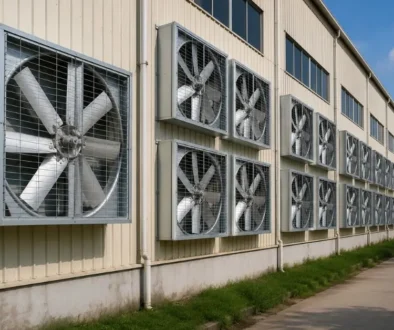
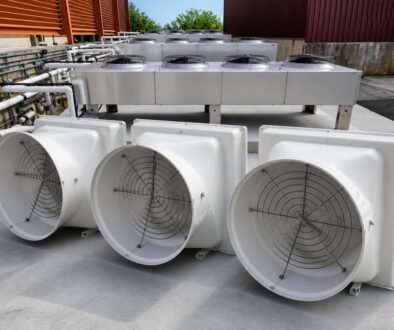
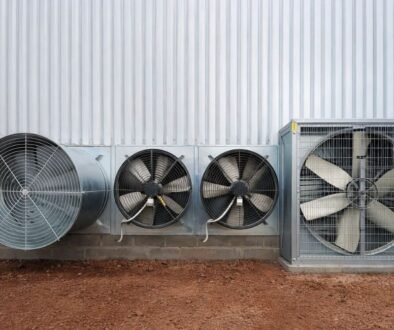
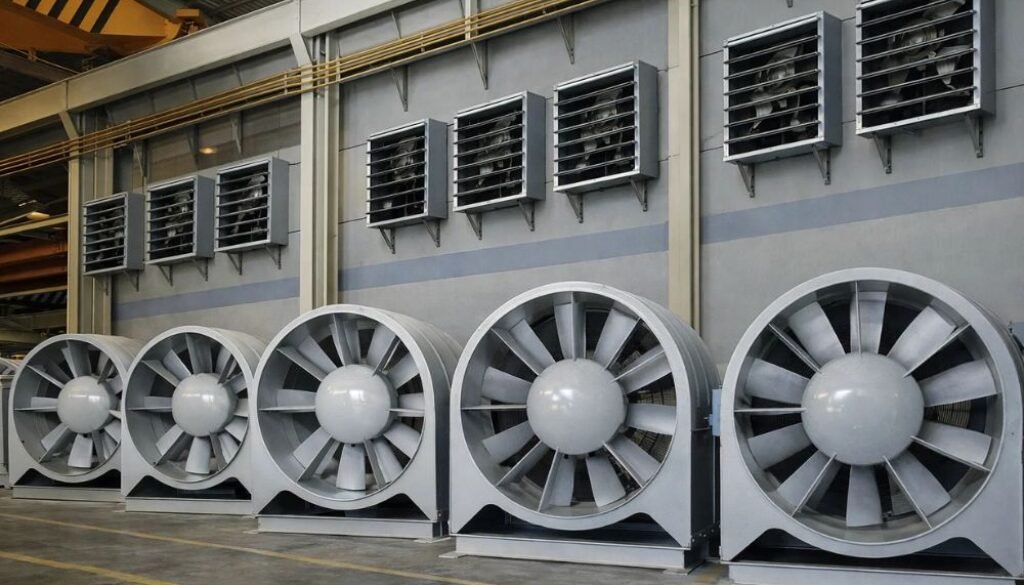
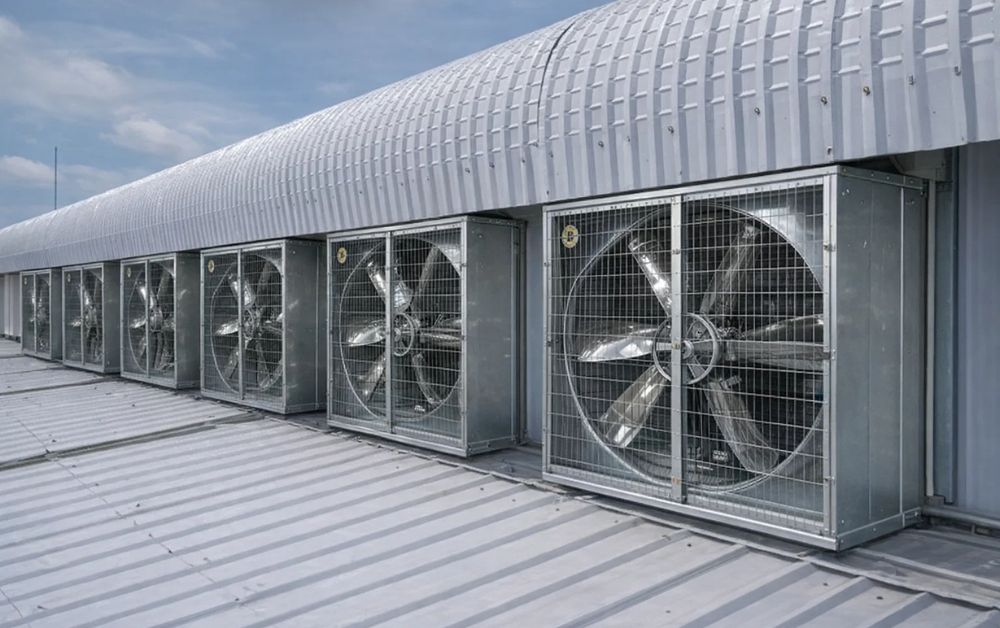
- Axial fans are great for moving air across open areas and are commonly used in walls or windows.
- Centrifugal fans are better for high-pressure applications & are more effective when ductwork is involved.
- Inline duct fans are installed inside ducting to support ventilation over long distances.
When picking, factor in:
- Energy efficiency
- Noise levels
- Motor durability
- Ease of maintenance
- Build material (especially for harsh environments)
Pro Tip: Invest in a fan with energy-efficient ratings & a solid warranty. Cheaper models may save money upfront but cost more over time owing to frequent maintenance or early failure.
Plan the Installation Layout Carefully
Improper fan placement might lead to poor airflow, energy waste, & dead zones—areas where the air does not circulate effectively. A well-thought-out layout ensures air is evenly distributed throughout the space.
What to consider
- The most effective intake and exhaust points
- Obstructions like beams, furniture, or walls
- Electrical access & ease of maintenance
- Positioning that avoids recirculating already-exhausted air
For ducted systems, minimize the number of bends and avoid overly long duct runs that can restrict airflow.
Pro Tip: If you are not sure about layout design, bring in a ventilation consultant to map it out. A little aid early on can prevent costly fixes later.
Prepare the Site for Installation
Prior to drilling holes or cutting into drywall, prep the installation site. This step is often rushed—but do not skip it.
Tasks to complete
- Clear any obstructions in the work area
- Check the structural integrity of mounting surfaces
- Confirm that the wall or ceiling can bear the fan’s weight
- Verify that power sources & electrical connections are nearby & up to code
Pro Tip: Use a level and measuring tape to mark exact mounting points and alignment lines. Even a small misalignment can affect performance & cause vibration.
Follow Best Practices During Installation
When you are ready to install, follow the manufacturer’s instructions exactly. Every model has unique specs, & skipping steps can void warranties or lead to unsafe conditions.
During installation
- Mount the fan securely with proper brackets
- Use vibration dampers if necessary
- Ensure blades are free from obstruction
- Route electrical wiring safely & neatly
Important: Electrical connections should only be handled by a licensed electrician, mainly in commercial or industrial setups.
Pro Tip: Double-check all hardware & fasteners. Even a loose screw can cause noise, drop efficiency, or lead to future failures.
Test & Balance the System
Once installed, power up the system & evaluate its performance under real-world conditions.
What to check
- Airflow volume (compare to the expected CFM)
- Unusual noises or vibrations
- Secure mounting and stable wiring
- Effectiveness in distributing air evenly
If necessary, balance the system by adjusting duct dampers or repositioning components to improve airflow distribution.
Pro Tip: Run the fan at multiple speeds & check airflow from each vent or exhaust point to ensure consistent performance across the entire system.
Related read:-Breathe Better, Work Better: How Ventilation Fans Improve Productivity
Commit to Regular Maintenance
Even a top-tier fan can fail early if it is not maintained properly. Dust buildup, worn bearings, & loose components can all degrade performance over time.
Basic maintenance includes
- Cleaning blades & grilles
- Lubricating moving parts (if applicable)
- Inspecting wiring & connections
- Listening for changes in noise or vibration
Pro Tip: Create a maintenance log & schedule periodic inspection. This helps detect early signs of wear & prevents small issues from becoming major failures.
Prioritize Safety Throughout the Process
Installing ventilation fans involves working at heights, handling electrical systems, & sometimes managing heavy equipment.
Always
- Wear safety gear (gloves, goggles, hard hats)
- Turn off power at the breaker box prior to working on wiring
- Use proper ladders or scaffolding
- Follow all local building & electrical codes
Pro Tip: Never take shortcuts, even for “just a quick fix.” Safety oversights might lead to accidents, property damage, or voided warranties.
Focus on Long-Term Efficiency
Beyond installation, think about how your ventilation system will perform over time. An efficient system saves money, improves comfort, & has a smaller environmental impact.
Efficiency tips
- Use variable speed controls to match airflow to want
- Install motion or temperature sensors for automation
- Seal ducts to prevent air leaks
- Use insulated ducting in areas prone to heat gain or loss
Pro Tip: Look into integrating the ventilation system with your building management system (BMS) for smarter control & better data tracking.
Conclusion
Installing a ventilation fan might seem like a straightforward job, but the details make all the difference. From the initial planning phase to selecting the right equipment, ensuring safe installation, & maintaining the system, every step plays a critical role in overall performance & energy savings.
Whether you are outfitting a new space or upgrading an older system, getting the installation right ensures better airflow, lower costs, & improved comfort for years to come. If you are looking for expert support, Presto Electromechanics Company LLC gives professional ventilation fan installations across the UAE—designed with precision, built to last, & tailored to your specific wants.