Ways to Maintain Ideal Temperature and Humidity in Agricultural Structures
Keeping the right balance of temperature and humidity is one of the biggest challenges in modern farming. Whether it’s a greenhouse, poultry house, farmhouse, or hydroponic setup, the environment inside directly affects plant health, animal comfort, and overall productivity. If those conditions slip out of balance, it can lead to poor yields, higher energy bills, and even long-term structural damage.
Fortunately, with proper ventilation and innovative management, farmers can maintain a steady, healthy climate that supports strong growth and efficient operations.
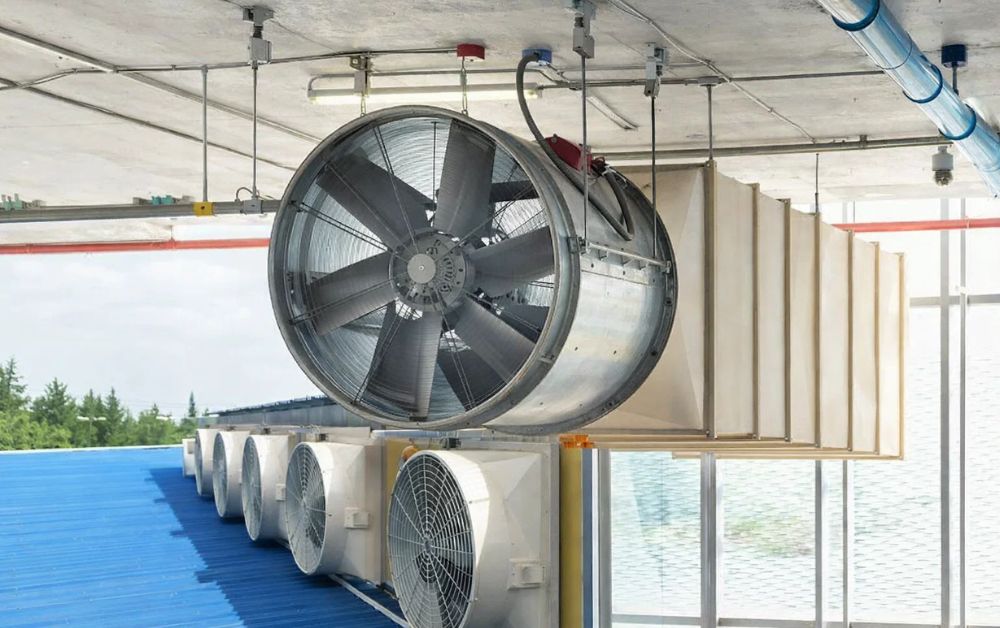
Why Temperature and Humidity Control Matter
In agriculture, even small shifts in temperature or moisture can have significant consequences. Plants rely on the right temperature for germination, growth, flowering, & fruiting. Animals, on the other hand, can experience stress or illness if exposed to extreme heat or cold. Humidity plays its own crucial role — too much can encourage mold and disease, while too little can dry out plants and stress livestock.
Maintaining optimal conditions helps to:
- Encourage healthy plant development and better yields.
- Keep animals comfortable and reduce the risk of respiratory issues.
- Prevent mold, rot, and fungal diseases.
- Use energy more efficiently across heating, cooling, and irrigation systems.
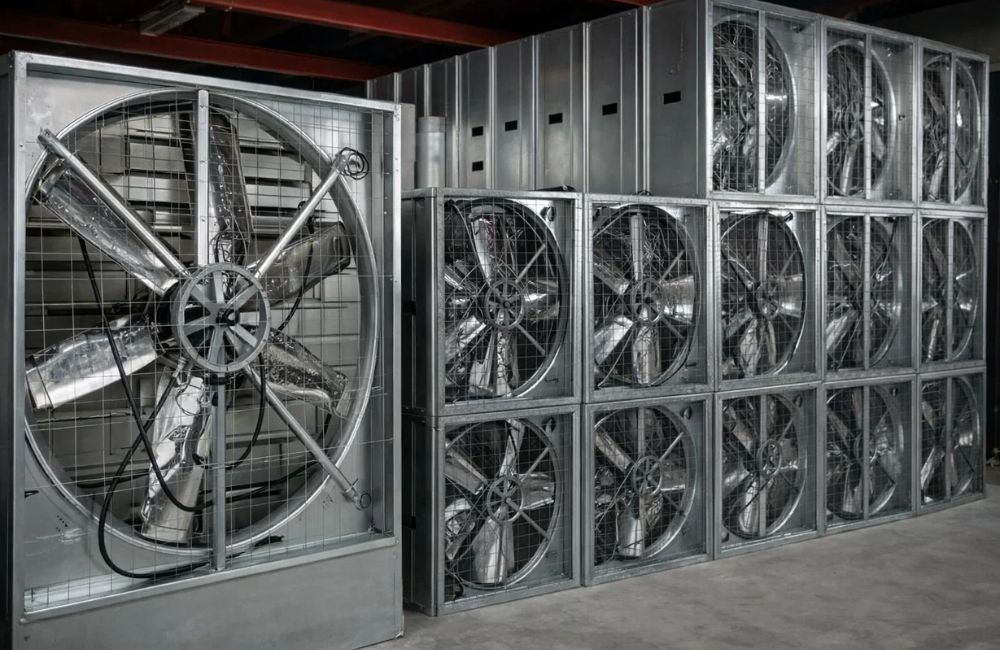
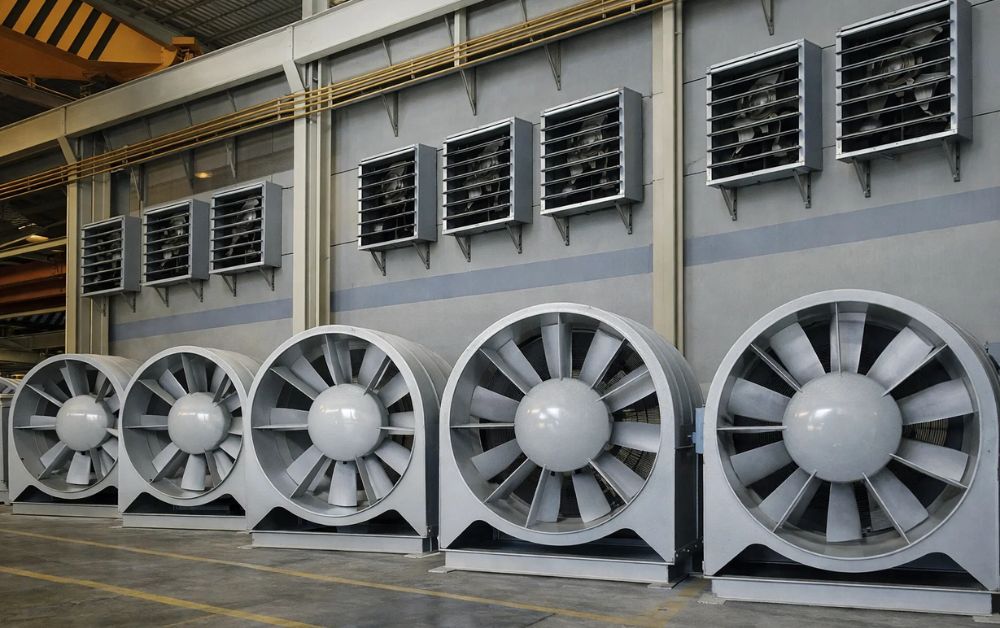
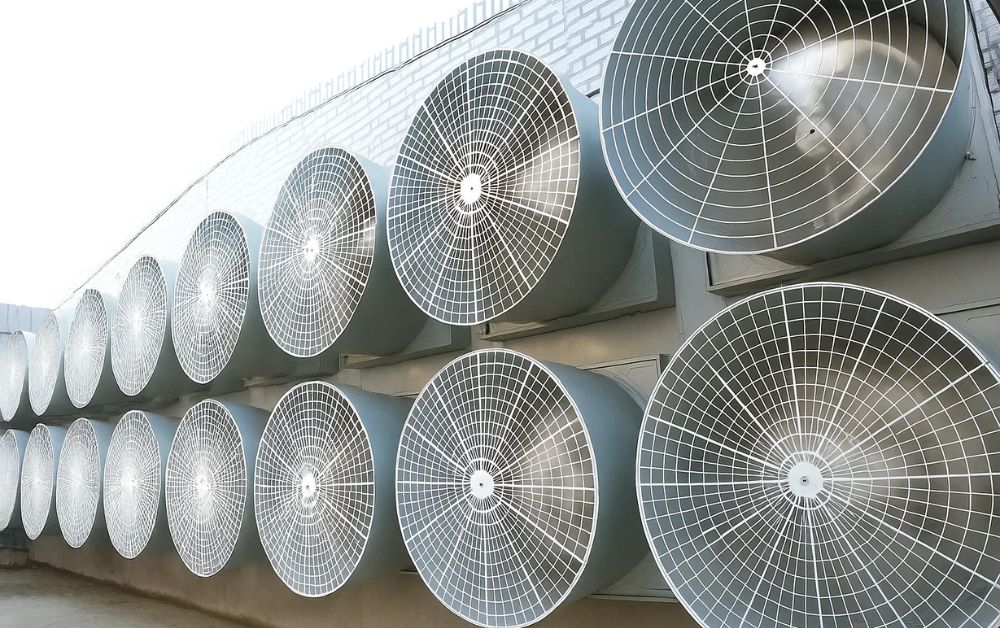
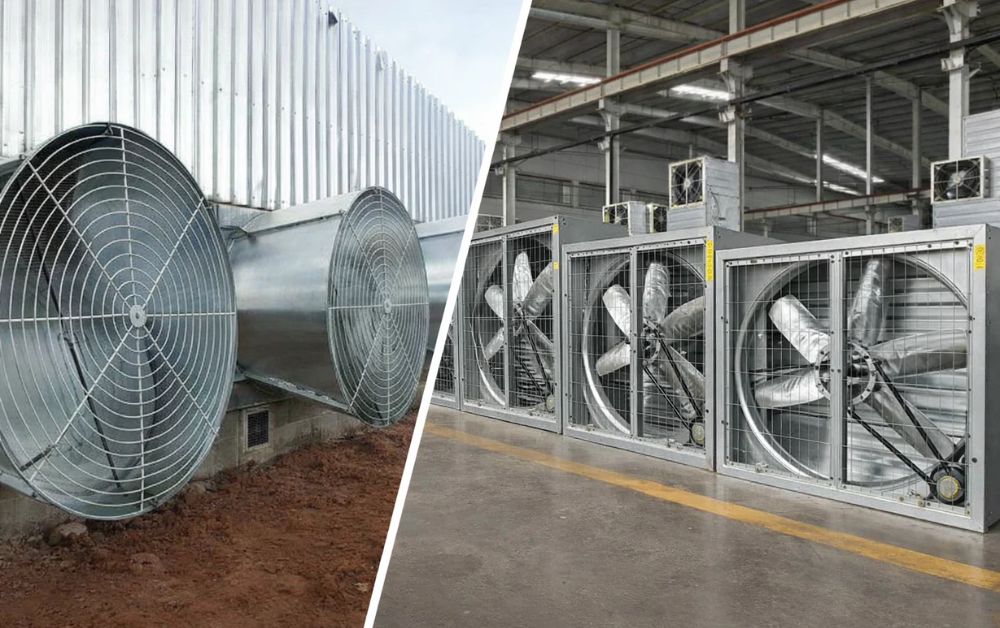
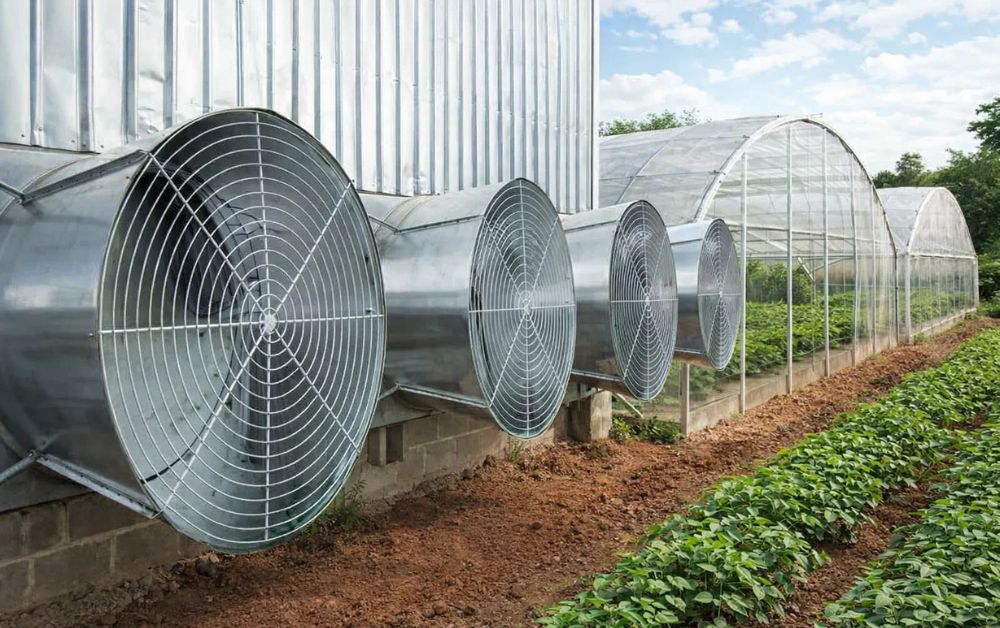
Many farms now rely on ventilation fans for farmhouse & green house to regulate airflow and maintain that ideal balance between temperature and humidity.
Common Challenges and How to Solve Them
1. High Temperatures
In hot climates or during summer, heat can build up quickly inside greenhouses or poultry houses, leading to heat stress in both plants and animals. It also speeds up water evaporation, which means more frequent irrigation.
Solution:
Install high-capacity ventilation systems that can pull warm air out and replace it with cooler outdoor air. Combining exhaust fans, roof ventilators, & side vents helps maintain consistent cooling throughout the space. Automated systems with built-in temperature sensors can adjust fan speeds autonomously, maintaining a stable environment without constant supervision.
2. Excess Humidity
Too much humidity creates the perfect conditions for mold, mildew, and bacterial growth. It can also cause condensation to form on walls & equipment, leading to rust and decay.
Solution:
Use a mix of ventilation fans, dehumidifiers, & evaporative cooling pads to regulate moisture levels. Keeping air moving prevents stagnant, damp pockets where fungus thrives. Regularly check humidity with sensors to ensure levels stay within a healthy range.
3. Uneven Air Distribution
In large greenhouses or barns, some areas may have too much airflow while others stay still & stuffy. Uneven air distribution can lead to “hot spots” or temperature pockets that affect growth & comfort.
Solution:
Position circulation fans throughout the space to keep air moving evenly. Ceiling-mounted or oscillating fans work well for distributing air across vast areas. A well-designed airflow plan prevents stagnant zones and keeps the climate balanced from corner to corner.
4. Seasonal Temperature Fluctuations
Cold weather can be just as problematic as heat. Sudden temperature drops may slow plant growth or even damage crops. Animals can also become stressed or sick if temperatures swing too sharply.
Solution:
Integrate heating systems with your ventilation setup so that warm air circulates evenly during the colder months. Programmable thermostats & smart controllers help maintain consistent temperatures automatically, no matter the season.
5. Pest and Disease Issues
When humidity is high and airflow is poor, pests and diseases find the perfect environment to multiply.
Solution:
Good ventilation naturally helps deter pests and reduces the humidity that fosters disease. Combine this with insect-proof vents, routine inspections, & biological pest control methods for a well-rounded prevention strategy.
6. Maintenance and Upkeep
Even the best systems lose performance without proper maintenance. Dust buildup, worn motors, or clogged ducts can all reduce airflow & efficiency.
Solution:
Create a simple maintenance schedule that includes regularly cleaning, inspecting, & lubricating fan components. Use sensors to track performance & flag any early drop in efficiency. Keeping spare parts handy aids minimize downtime when repairs are required.
7. Energy Efficiency
Keeping agricultural environments at the right temperature can use a lot of energy. Inefficient systems can send costs soaring.
Solution:
Choose energy-efficient ventilation fans with variable speed controls and intelligent automation. These systems adjust airflow based on live temperature & humidity readings, using only as much power as needed. For an added boost to sustainability, consider installing solar or renewable energy systems.
Related read:-Why Proper Ventilation Fans Are Crucial for Farmhouse & Greenhouse Air Quality
Extra Tips for Perfect Environmental Control
- Insulation: Properly insulate roofs & walls to reduce heat gain or loss.
- Shading: Use shading nets or reflective films in greenhouses to minimize solar heat gain.
- Airflow Modeling: Map airflow patterns to design more effective ventilation layouts.
- Integrated Systems: Pair fans with misting, heating, or cooling pads for complete control.
- Monitoring: Install real-time monitoring systems to react quickly to climate changes.
In Conclusion
Maintaining the right temperature and humidity inside agricultural structures isn’t just about comfort — it’s about productivity, health, and efficiency. With the right combination of ventilation fans, smart controls, and regular maintenance, farmers can create ideal growing and living environments year-round. For farms and agricultural businesses across the UAE, Presto Electromechanical LLC provides reliable, energy-efficient ventilation systems built to maintain stable climates and support healthy, sustainable operations.