What Maintenance Is Required for a Natural Turbine Roof Ventilator?
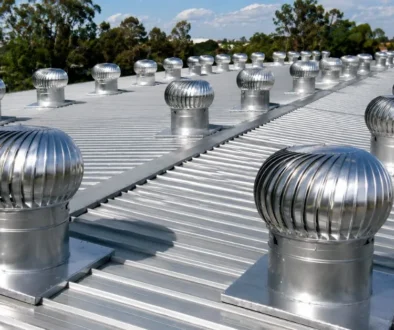
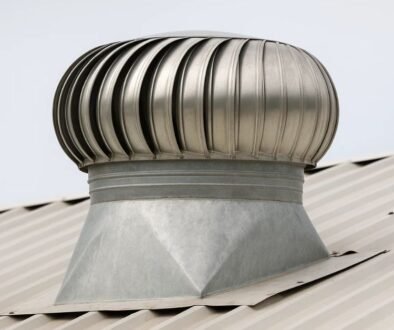
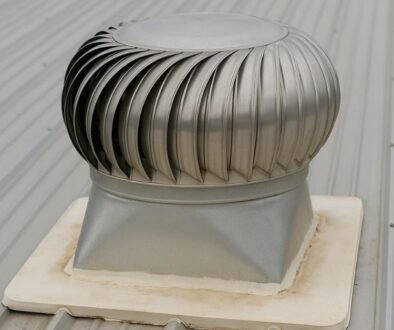
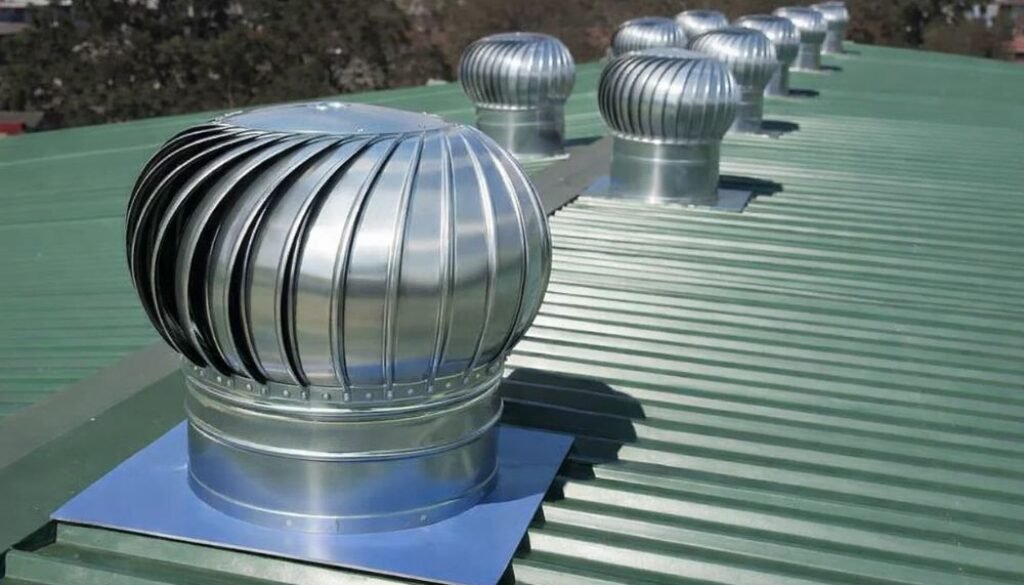
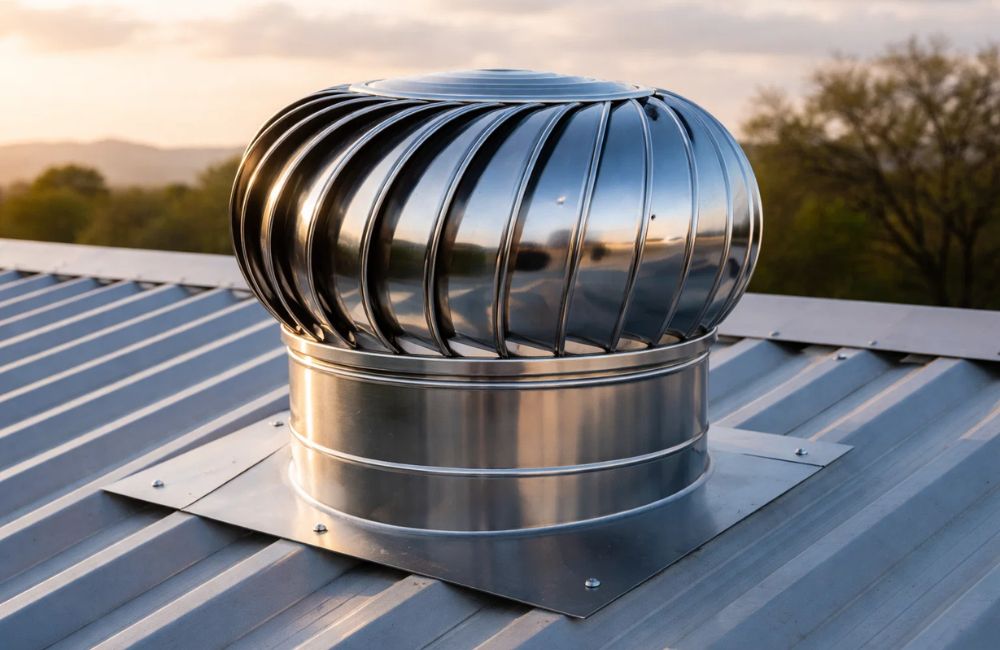
Natural turbine roof ventilator are a great, energy-efficient way to keep your building cool and ventilated. They work by harnessing the power of the wind and heat rising from inside the building, helping to remove hot air, moisture, and pollutants. These systems are incredibly low-maintenance, but like any piece of equipment, they still need a little care to keep running smoothly. Here’s a simple guide to the key maintenance steps that will help you get the most out of your ventilator.
1. Regularly Inspect the Moving Parts
The heart of the natural turbine ventilator is its spinning turbine. Over time, the constant rotation can cause wear & tear, especially on the bearings and shaft. It’s a good idea to check these parts every so often to make sure everything is running smoothly.
Listen for any unusual sounds while the turbine is spinning. If you hear any grinding or squeaking, it might be time to lubricate the moving parts. A little maintenance here can help prevent bigger issues down the line and ensure the turbine continues to operate quietly & efficiently.
2. Clean Out Any Debris
The turbine blades and internal components can accumulate debris over time, especially in areas with a lot of trees or dust. Leaves, bird droppings, and dirt can block airflow and cause the turbine to work harder, which can affect its performance.
Cleaning the ventilator twice a year is usually enough. If you’re able to, take it down and clear away any debris. If not, a soft brush or compressed air should do the trick for getting rid of dust and smaller particles. Keeping it clean helps the turbine spin freely and keeps the airflow smooth and uninterrupted.
3. Check the Roof Seals and Flashing
The flashing and seals around the base of the ventilator help protect the roof from leaks. Over time, exposure to the sun and rain can wear down these seals, which could lead to water getting into your building.
It’s worth checking the roof around the ventilator regularly, looking for any signs of moisture, like stains or mold. If you notice any problems, it’s best to replace the seals and make sure the flashing is tightly secured. This will prevent water damage and keep your roof and ventilator working properly.
Related read:-What Are the Energy Benefits of Installing Natural Turbine Roof Ventilators
4. Lubricate Bearings and Other Moving Parts
Even if your ventilator has maintenance-free bearings, older models or more heavy-duty systems might need some lubrication now and then. It’s important to use the right kind of lubricant as specified by the manufacturer—too much or the wrong type can cause dust to stick, while too little can create unnecessary friction and wear.
A good rule of thumb is to lubricate the bearings as recommended in the manufacturer’s instructions. This will help everything rotate smoothly and avoid any wear and tear that could shorten the lifespan of your ventilator.
5. Balance the Turbine Blades
If the turbine blades aren’t balanced properly, the ventilator might make strange noises, vibrate, or operate less efficiently. Over time, blades can become unbalanced due to debris or weather exposure.
It’s a good idea to check the blades periodically. If they look warped or you notice wobbling, it might be time to realign or even replace them. Keeping the blades balanced ensures that the system runs quietly & efficiently, helping to maintain steady airflow and long-lasting performance.
6. Prepare for Seasonal Changes
Living in a place like the UAE means dealing with extreme weather conditions—high winds, sandstorms, and heavy rains. To keep the ventilator in top shape, do a quick check before each season.
In the summer, make sure the turbine spins easily to help with heat removal. Before the rainy season, check the seals and flashing to make sure there are no leaks. Taking these small steps can help prevent seasonal damage and keep your system running smoothly year-round.
7. Consider Professional Inspections
While regular cleaning & checks can be done by maintenance staff, it’s also a good idea to have a professional take a look at your ventilator once a year. Experts can spot issues that may not be obvious during a basic inspection, like subtle wear on the bearings or blade misalignment.
A professional can also help with more detailed maintenance, such as bearing checks or structural assessments. Having someone with experience perform these inspections will help catch potential problems early & avoid costly repairs or downtime.
8. Extend the Life of Your Ventilator
Regular maintenance isn’t just about keeping things running smoothly today—it’s also about extending the life of your turbine roof ventilator. By sticking to a regular maintenance schedule, you’ll help prevent things like rust, unbalanced blades, and poor airflow, which can lead to more frequent repairs or the need for additional ventilation systems.
By cleaning it, lubricating the moving parts, & keeping an eye on seals & flashing, you can keep your ventilator performing at its best for years. With proper care, you’ll enjoy better airflow, reduced heat buildup, and improved air quality for a long time.
Conclusion
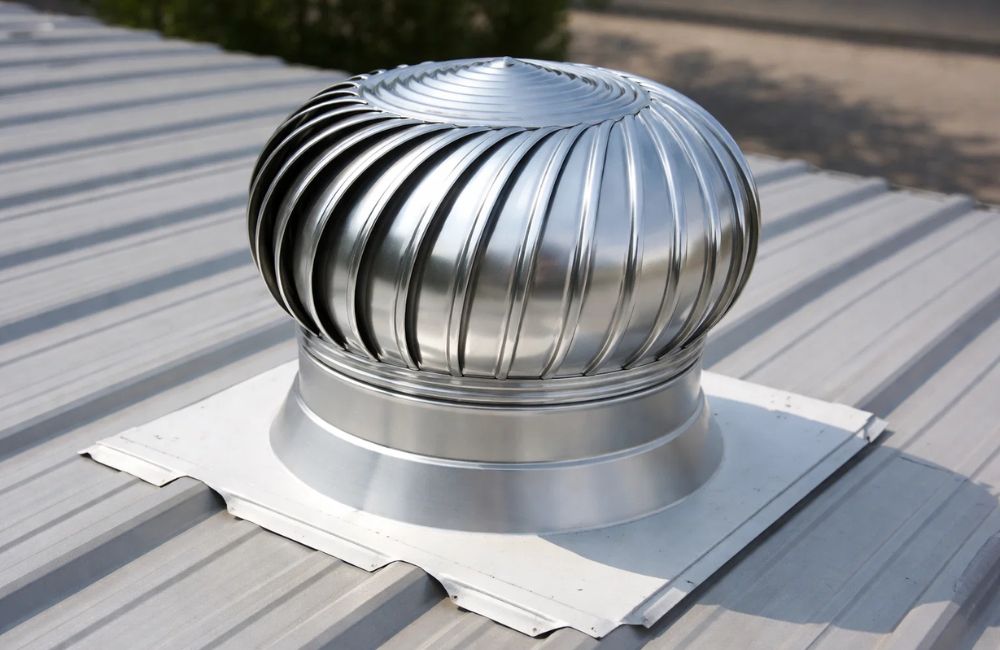
Natural turbine roof ventilators are an excellent, energy-efficient solution for improving ventilation and reducing heat in buildings. While they require minimal upkeep, regular care will ensure they continue to work efficiently and last longer. By inspecting the moving parts, cleaning the system, checking the seals, & preparing for seasonal changes, you can get the most out of your ventilator. And don’t forget to schedule professional inspections—having experts take a look at least once a year can help keep things in top shape.
If you’re in the UAE and looking for a trusted partner for your turbine roof ventilator needs, Presto Electromechanics Co LLC offers high-quality products to keep your system running smoothly & efficiently for years to come.