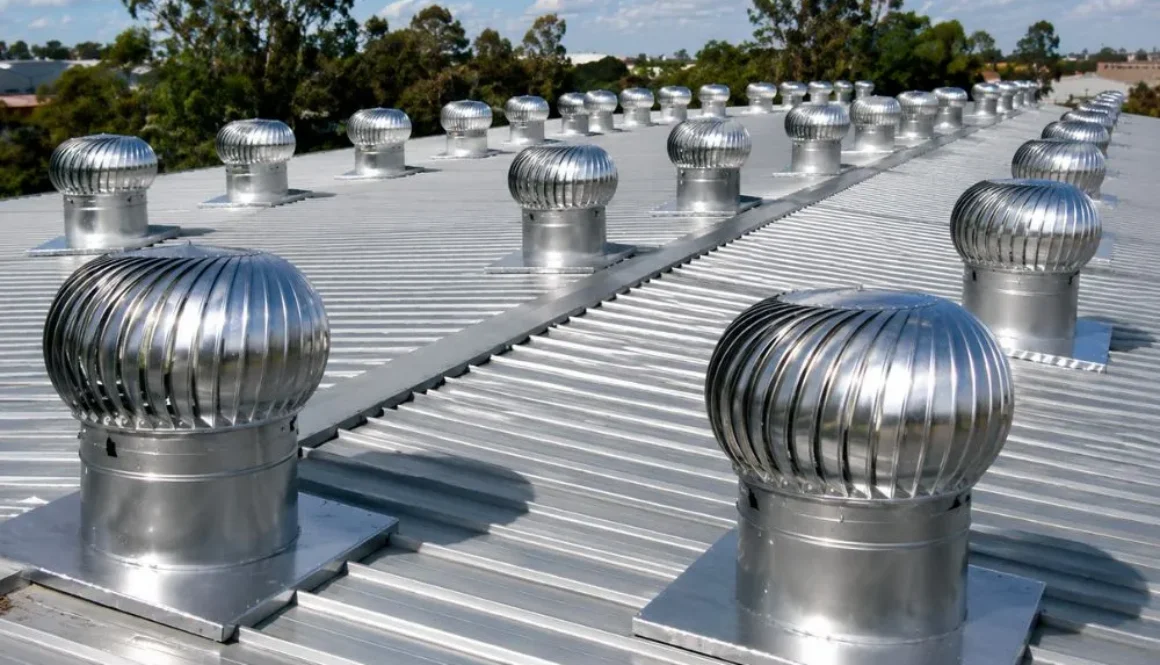
Benefits of Using Natural Turbine Roof Ventilators in Buildings
Effective building ventilation is fundamental to maintaining comfortable, healthy, and energy-efficient indoor environments. In the UAE, where extreme summer heat creates intense pressure on building cooling systems, any ventilation solution that can reduce heat buildup without adding to electricity consumption is genuinely valuable. Natural Turbine Roof Ventilator — also known as whirlybird ventilators or wind-driven roof ventilators — offer exactly this: a completely passive, zero-energy ventilation solution that operates continuously using only the energy of the wind to remove hot air from building roof spaces and interiors. Understanding the full range of benefits that Natural Turbine Roof Ventilators provide helps building owners, architects, and facility managers make well-informed decisions about roof ventilation strategies.

How a Natural Turbine Roof Ventilator Works
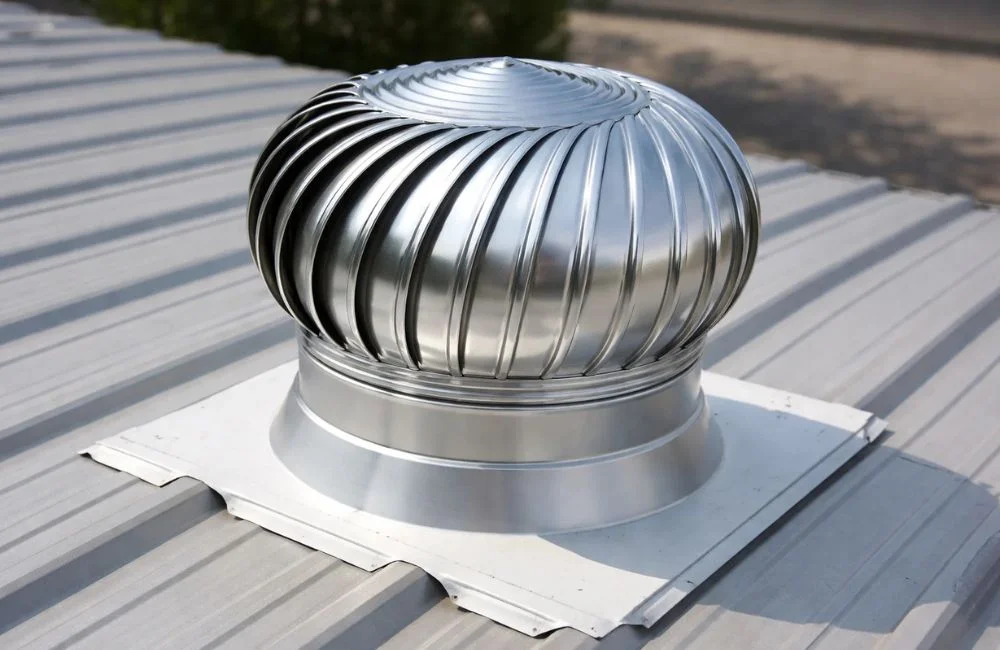
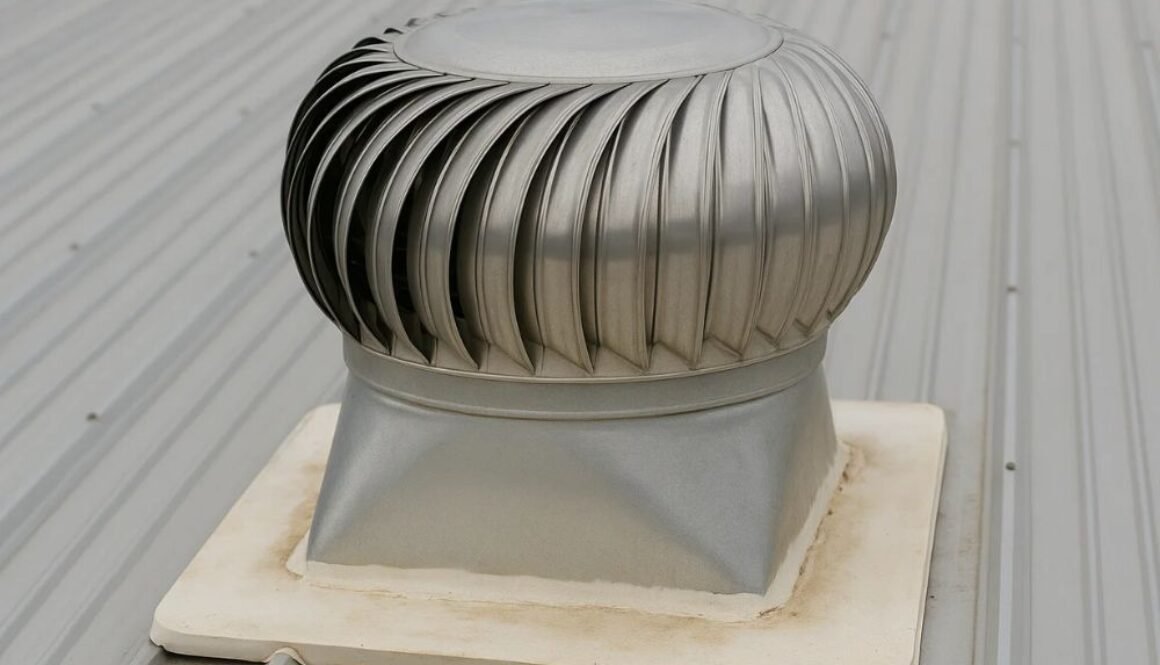
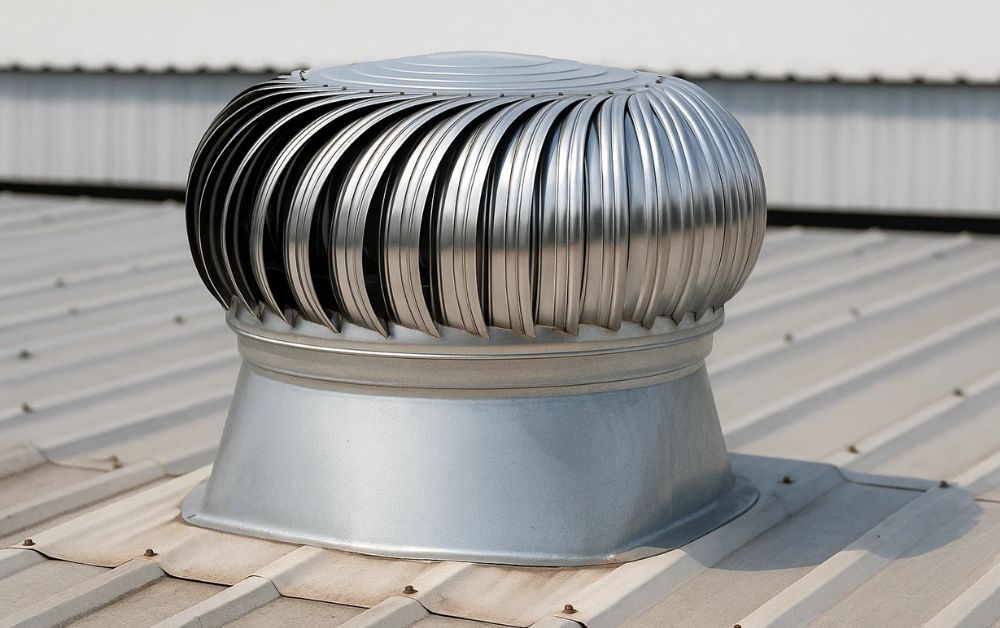
A Natural Turbine Roof Ventilator is a rooftop ventilation device consisting of a series of curved vanes arranged symmetrically around a central hub mounted on a low-friction bearing assembly. The vane geometry is specifically designed so that wind approaching from any direction causes the turbine head to rotate. This rotation creates a centrifugal pumping action that draws air upward through the turbine body from the building interior below, exhausting it into the ambient air above the roof level. Simultaneously, the movement of air out of the building creates a negative pressure relative to the outside that draws fresh replacement air in through windows, doorways, wall vents, or other designed openings at lower levels of the building. The system works continuously as long as any wind is present, providing passive ventilation without any electrical power input whatsoever.
Zero Energy Cost Operation Throughout the Year
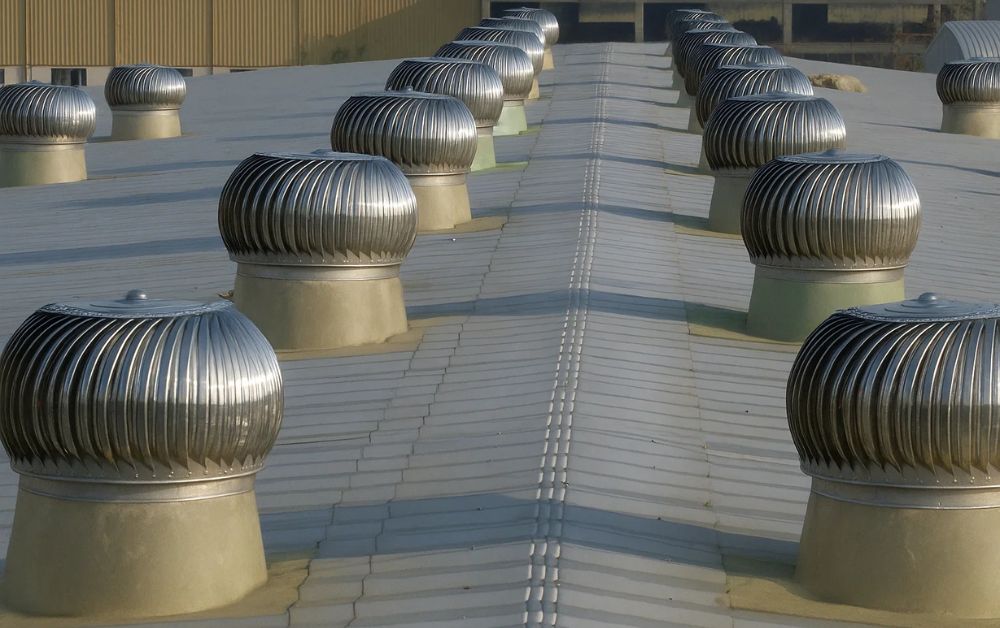
The most financially significant benefit of Natural Turbine Roof Ventilators is their zero-energy consumption. Unlike powered exhaust fans that draw electrical power proportional to the airflow they deliver, Natural Turbine Roof Ventilators require no electricity at any point during their operational life. For buildings with large roof areas requiring multiple ventilation points — warehouses, factories, agricultural facilities, commercial buildings, schools — the cumulative electricity cost saving compared to powered ventilation systems can be substantial over the life of the building. In a region where electricity costs are a significant operational expense for many building types, this energy-free ventilation capability has direct and ongoing financial value.
Continuous 24-Hour Passive Ventilation
A Natural Turbine Roof Ventilator operates continuously around the clock and throughout the year without any manual intervention, switching, scheduling, or maintenance of electrical control systems. Even very low wind speeds of 2 to 3 kilometers per hour — much lower than the wind speeds that would be perceptible to a person standing outdoors — are sufficient to spin the turbine head and create useful ventilation airflow. This means the ventilators are working at night, on weekends, and during periods when facilities are unoccupied, continuously removing heat that would otherwise accumulate and make the building uncomfortable and energy-intensive to cool when occupancy resumes.
Effective Heat Removal from Building Roof Spaces
Hot air is less dense than cool air and naturally rises, accumulating near the ceiling and roof of any building. In UAE summer conditions, the temperature in the roof space of an unventilated building can exceed 70°C to 80°C, and this radiant heat load significantly impacts the temperature of the occupied spaces below. Natural Turbine Roof Ventilators are positioned at the highest point of the building precisely to intercept and exhaust this hottest accumulated air before it can transfer heat downward through the ceiling into occupied areas. This targeted removal of the hottest air is one of the most thermally efficient ventilation strategies available for reducing building heat buildup.
Explore more-What Maintenance Is Required for a Natural Turbine Roof Ventilator?
Low Capital Cost and Simple Installation
Natural Turbine Roof Ventilators are among the most cost-effective ventilation solutions available from an initial capital cost perspective. The units themselves are relatively low cost, requiring no electrical supply, conduit, wiring, switchgear, or control systems. Installation requires only cutting an appropriate opening in the roof structure and fixing the ventilator base flashing correctly to provide a weatherproof seal. This simplicity makes Natural Turbine Roof Ventilators particularly attractive for retrofit applications in existing buildings where adding powered ventilation would involve expensive electrical infrastructure works.
Excellent Durability and Minimal Maintenance Requirements
Quality Natural Turbine Roof Ventilators manufactured from aluminum or galvanized steel are extremely durable, with operational lifespans typically measured in decades. Their mechanical simplicity — consisting essentially of a rotating turbine head on a sealed bearing assembly with no motor, no electrical components, no belts, and no complex mechanical linkages — means that maintenance requirements are minimal. Periodic inspection to confirm the bearing is still running freely and the structure is sound, with lubrication if required by the design, is typically all the maintenance needed to keep a Natural Turbine Roof Ventilator functioning effectively for 15 to 25 years or more.
Applications Across Building Types in the UAE
- Warehouses and logistics facilities: Continuous passive roof-level heat exhaust to reduce working temperatures and protect stored goods
- Manufacturing workshops and factories: Passive removal of process heat and equipment heat to improve worker comfort
- Agricultural buildings and livestock housing: Energy-free ventilation for animal housing where running cost minimization is important
- Schools and community centers: Supplementary roof ventilation that reduces cooling loads during occupied periods
- Covered car parks: Passive exhaust of vehicle fumes and heat from enclosed or semi-enclosed parking structures
- Retail and commercial buildings: Cost-effective supplementary ventilation to reduce HVAC system load and energy consumption
Presto: Natural Turbine Roof Ventilator Supplier in UAE
Presto supplies quality Natural Turbine Roof Ventilators for buildings across the UAE, including commercial, industrial, agricultural, and institutional facilities. Their product range includes models in various turbine diameters to suit different roof opening sizes and required airflow rates. Their team can assist building owners and designers in determining the number and placement of ventilators required to achieve effective ventilation for any building type or size.

Conclusion
Natural Turbine Roof Ventilators offer a uniquely compelling combination of zero energy cost, continuous operation, effective heat removal, low capital cost, and minimal maintenance that makes them one of the best-value ventilation investments available for a wide range of building types in the UAE. For building owners and facility managers looking for a practical, cost-effective solution to reduce heat buildup and improve natural ventilation without adding to electricity consumption, Natural Turbine Roof Ventilators installed by an experienced supplier like Presto Electromechanics Co. LLC deliver reliable performance over many years of maintenance-free operation.