What Features Should You Look for in an Industrial Exhaust Fan?
In industrial environments, proper air circulation is more than just a nice-to-have—it’s essential. Without it, you could face a range of problems like excessive heat, moisture buildup, dust accumulation, exposure to harmful chemical fumes, and overall discomfort for workers. Choosing the right ventilation system is not only about moving air but also about ensuring a safe, efficient, and productive workspace. Understanding the key features of an industrial exhaust fan may help businesses make the best choice for their unique needs.
Airflow Capacity and Performance
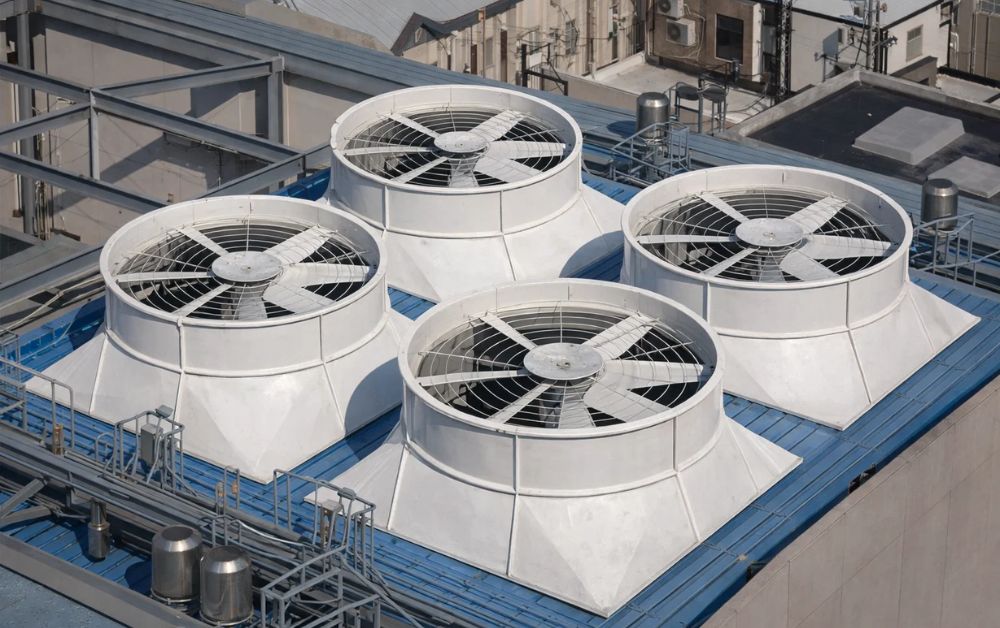
Airflow capacity is crucial. The exhaust fan needs to be able to handle the volume of air in your facility. In a large factory, for example, the fan must be capable of moving a significant amount of air, typically measured in cubic feet per minute (CFM). A fan that’s too small will struggle to properly clear pollutants, heat, or humidity. On the flip side, a fan that’s just the right size will distribute air evenly, creating a healthier, more comfortable environment for your workers. High-performance fans are also more energy-efficient, which means they get the job done without driving up your energy bills.
Durability and Material Quality
Industrial spaces can be tough on equipment—high temperatures, exposure to chemicals, dust, and moisture all take a toll. That’s why it’s important to choose a fan made from durable materials. These materials are better equipped to handle the harsh conditions found in many industrial environments. Also, pay attention to the quality of the blades, motor housing, and frame. A robust fan will last longer, reducing the need for frequent repairs, operational disruptions, & unnecessary costs.
Noise Control
While performance is key, don’t overlook the noise factor. Exhaust fans can get pretty loud, and constant noise can affect worker comfort and productivity. Look for fans designed with noise-reducing features, such as aerodynamic blades, insulated motor housings, and vibration-dampening mounts. A quieter fan not only makes for a more comfortable work environment but also helps keep the space safer and more productive for your employees.
Adjustable Speed and Automation
Not all work environments have the same ventilation needs at all times. That’s where fans with adjustable speed settings come in handy. These fans allow you to fine-tune airflow depending on what’s going on in your facility at any given moment. Some advanced models even come with sensors that detect temperature, humidity, or air quality & adjust the fan’s speed accordingly. This kind of adaptability is mainly useful for facilities with varying operational loads or that need extra ventilation during peak times.
Safety Features
In any industrial setting, safety comes first. So, make sure to choose fans with built-in safety features, such as protective grilles, to prevent accidental contact with moving blades. Features like thermal overload protection & automatic shut-off in the event of motor failure are also important for preventing accidents. Ensuring that your fan meets industrial safety standards will help protect both your workers and your equipment.
Suggested Read-Questions Every Buyer Should Ask Exhaust Fan Suppliers in the UAE
Energy Efficiency
Energy costs can quickly add up in an industrial setting, so it’s essential to choose energy-efficient fans. Fans with optimized blade designs and energy-efficient motors will consume less electricity while still delivering high airflow. Not only does this save on operating costs, but it’s also a win for businesses looking to boost their sustainability efforts. So, choosing the right fan isn’t just good for the environment; it’s good for your bottom line, too.
Ease of Maintenance
An exhaust fan is only as good as its upkeep. Fans that are easy to clean, have replaceable filters, & offer easy access for motor inspections make maintenance a whole lot simpler. Regular maintenance helps keep the fan running smoothly and extends its lifespan, preventing costly breakdowns. Look for systems with removable blades, accessible housing, and clear maintenance instructions—this will save you time and effort in the long run.
Installation Flexibility
Not all industrial spaces are created equal. Different layouts, ceiling heights, and building designs can make installation tricky. That’s why flexibility is key. Choose a fan that can be mounted in various ways—on walls, ceilings, or even rooftops—so it can be adapted to fit the specific needs of your space. Proper installation is essential for optimal airflow and pollutant removal, so make sure your fan can easily adapt to your facility’s layout.
Specialized Industrial Applications
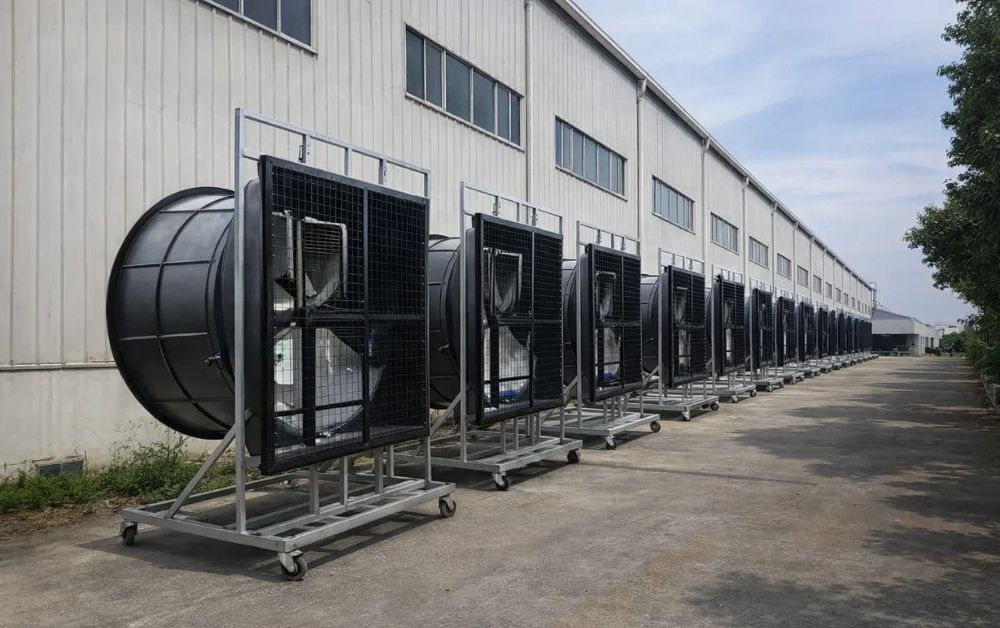
Factories and heavy-duty industrial facilities often require systems designed to handle extreme conditions. Industrial exhaust systems for factory applications typically include reinforced housings, high-capacity motors, & advanced filtration systems to control dust, smoke, & chemical fumes. Picking a fan designed for these conditions ensures optimal performance and compliance with safety & environmental regulations.
In Conclusion
When selecting an exhaust fan, it’s important to consider airflow capacity, durability, noise control, safety features, energy efficiency, & ease of maintenance. By evaluating these features, you can ensure that your facility benefits from cleaner air, improved safety, & better productivity. For expert advice, installation, and high-quality ventilation systems tailored to your wants, Presto Electromechanics Co LLC gives professional solutions across residential, commercial, & industrial spaces in the UAE.