Industrial Exhaust Fan Types and How to Choose the Right One for Your Facility
Introduction
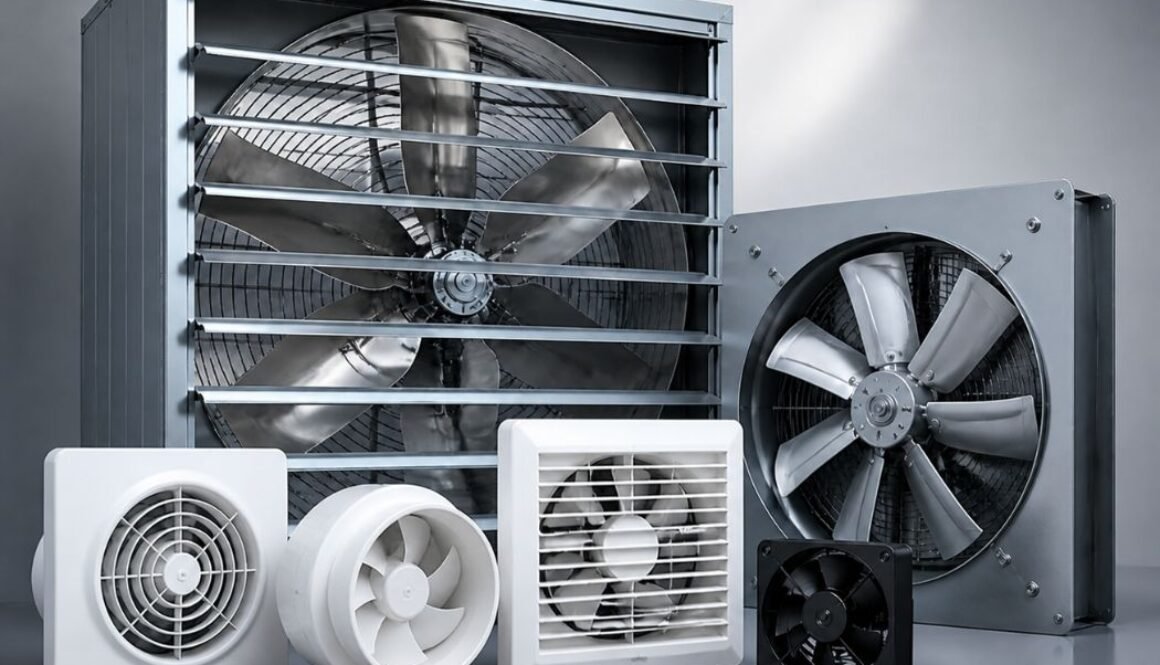
Not every facility needs the same kind of ventilation equipment, and selecting the wrong type of industrial exhaust fan is one of the most common and costly mistakes in facility ventilation planning. From axial fans moving large volumes of air at low pressure to centrifugal fans designed for ducted systems with significant resistance, each industrial exhaust fan type has characteristics that suit specific applications. Understanding these differences helps facility managers and engineers make a genuinely informed choice rather than defaulting to whatever a supplier happens to have in stock.

Axial Industrial Exhaust Fans
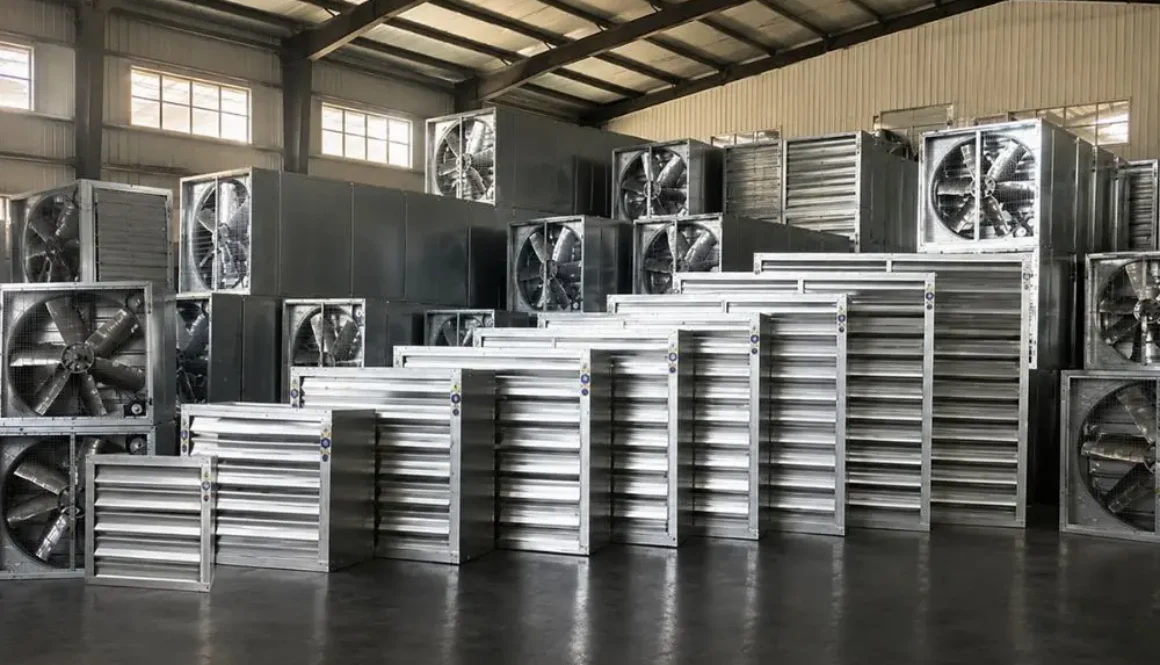
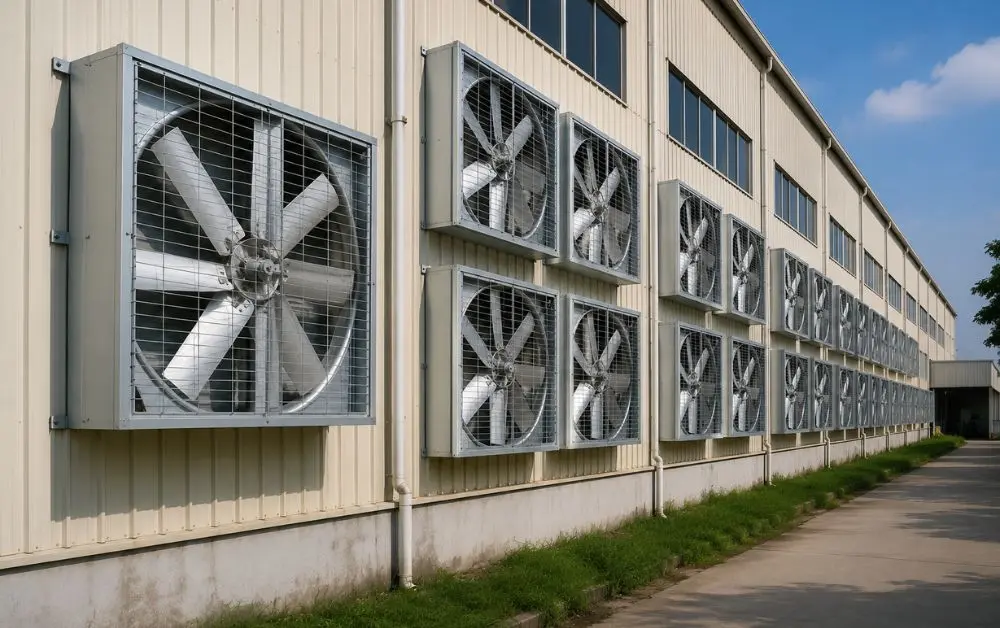
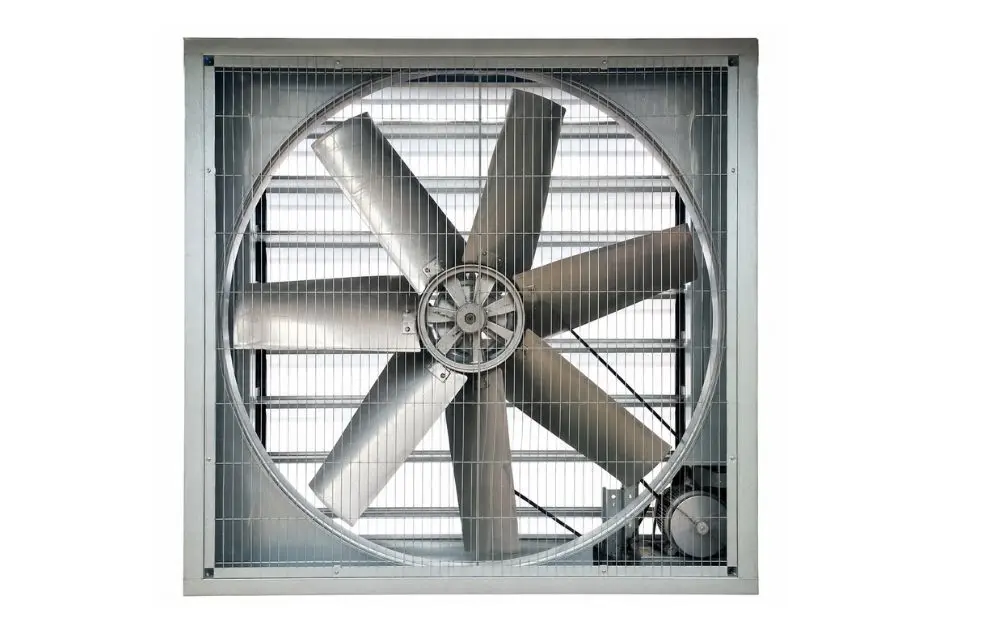
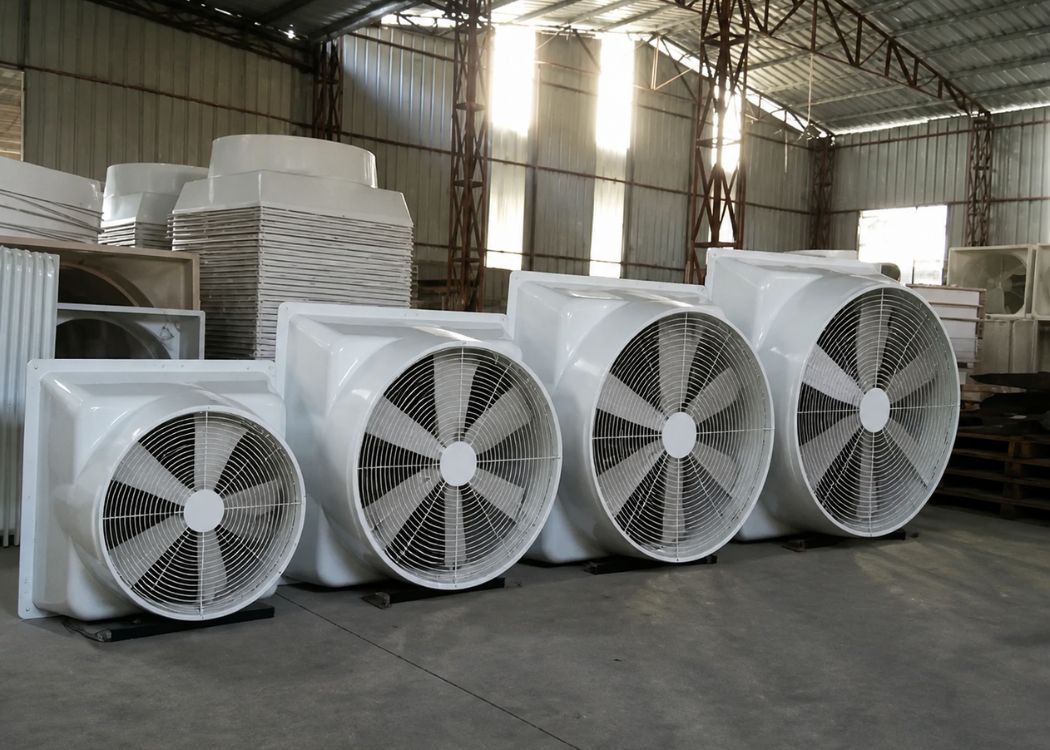
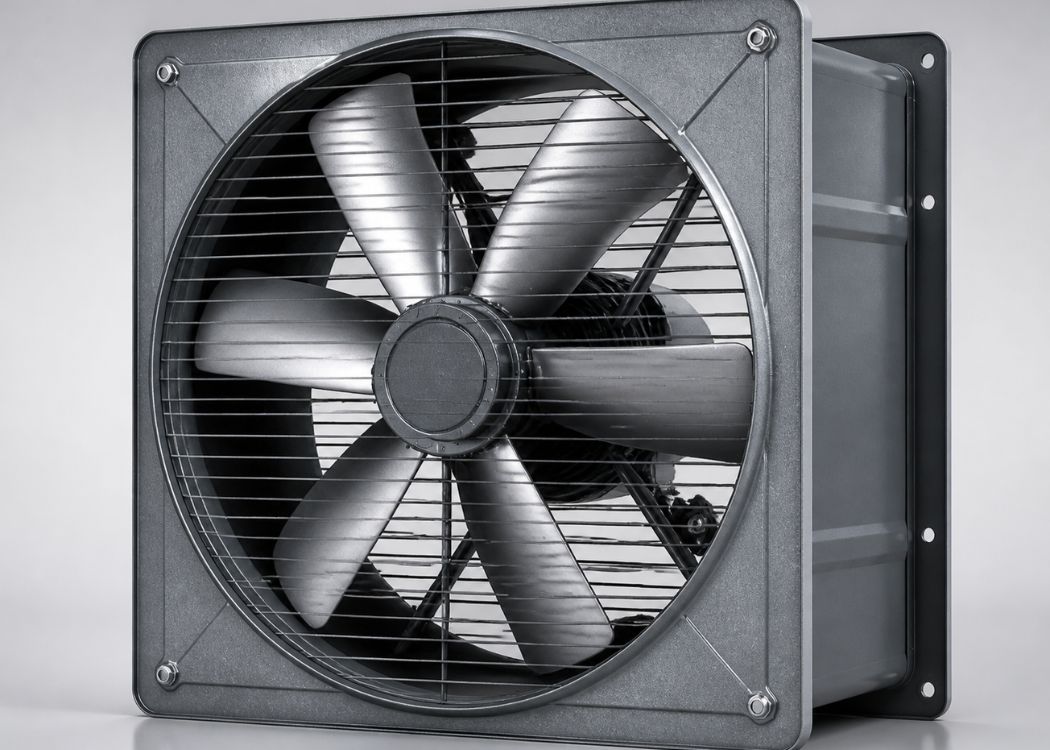
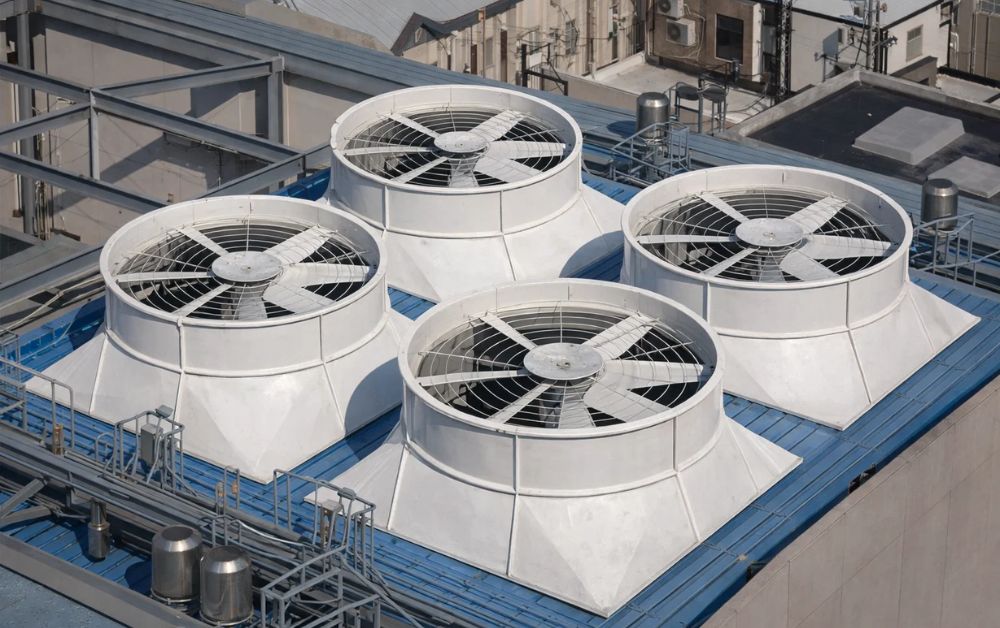
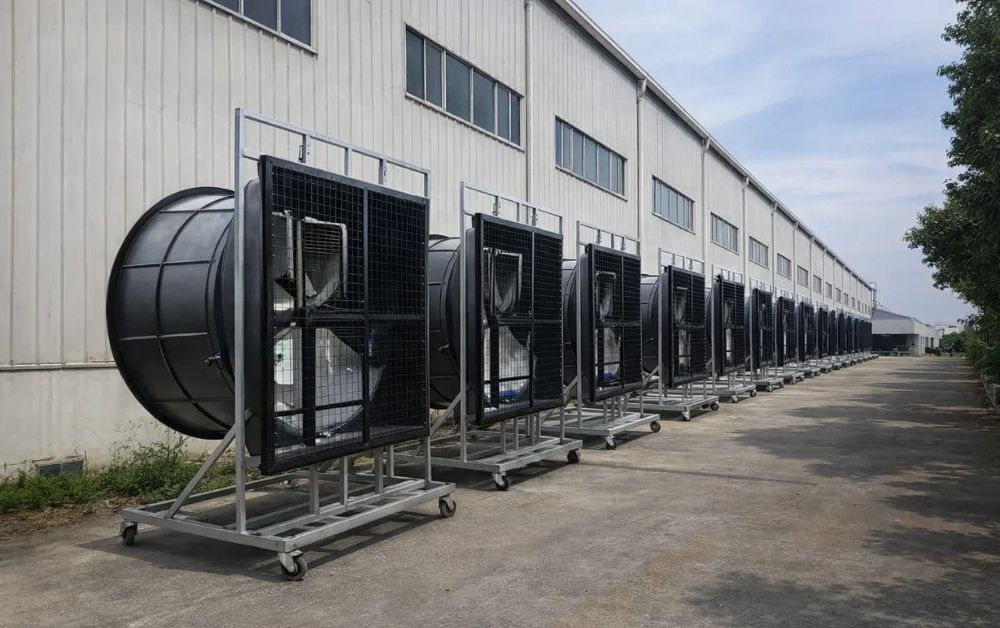
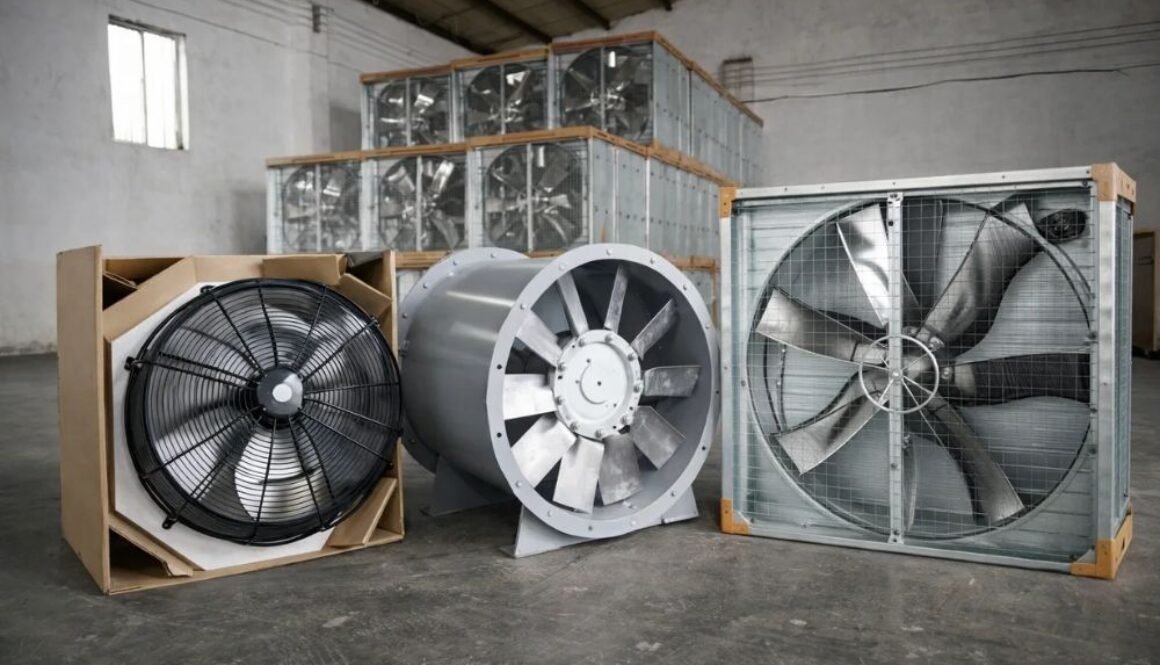
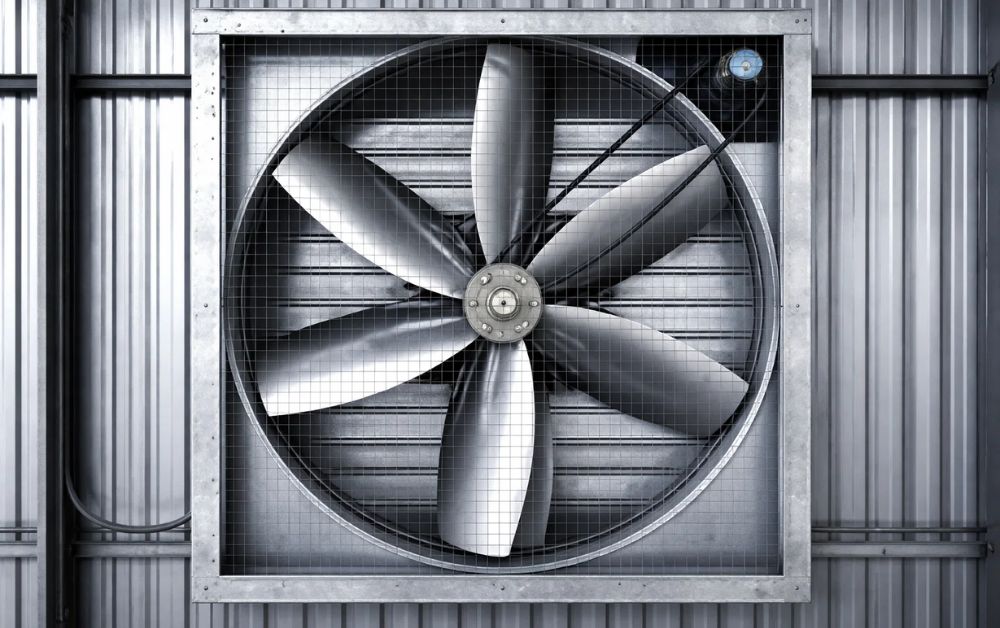
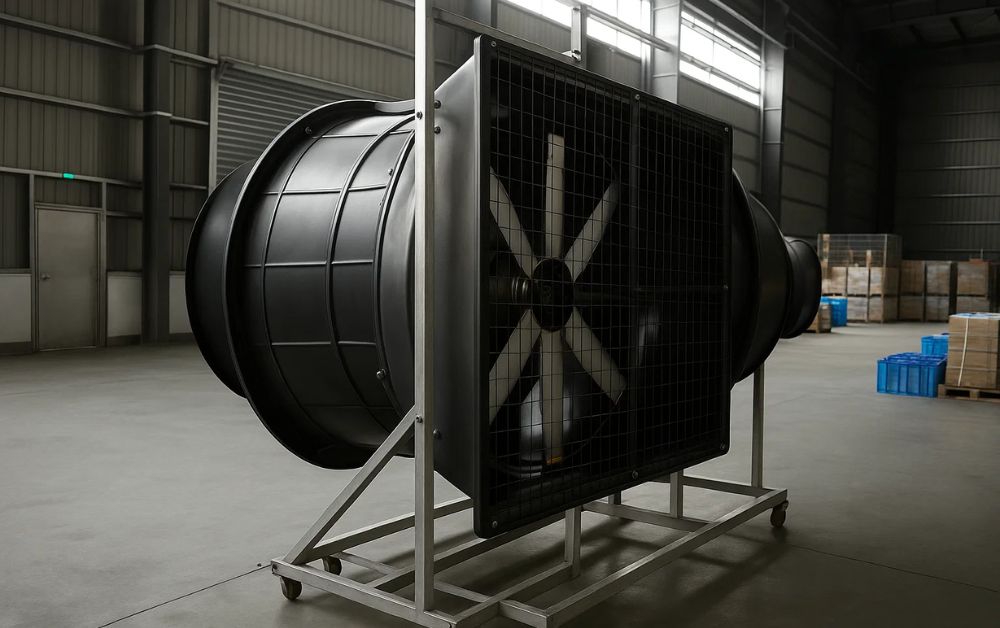
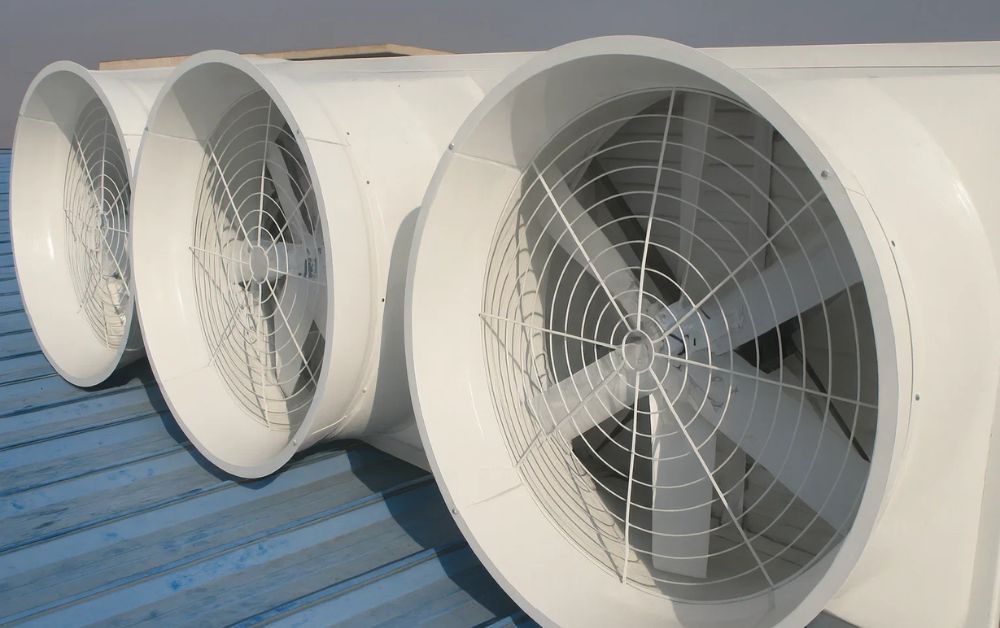
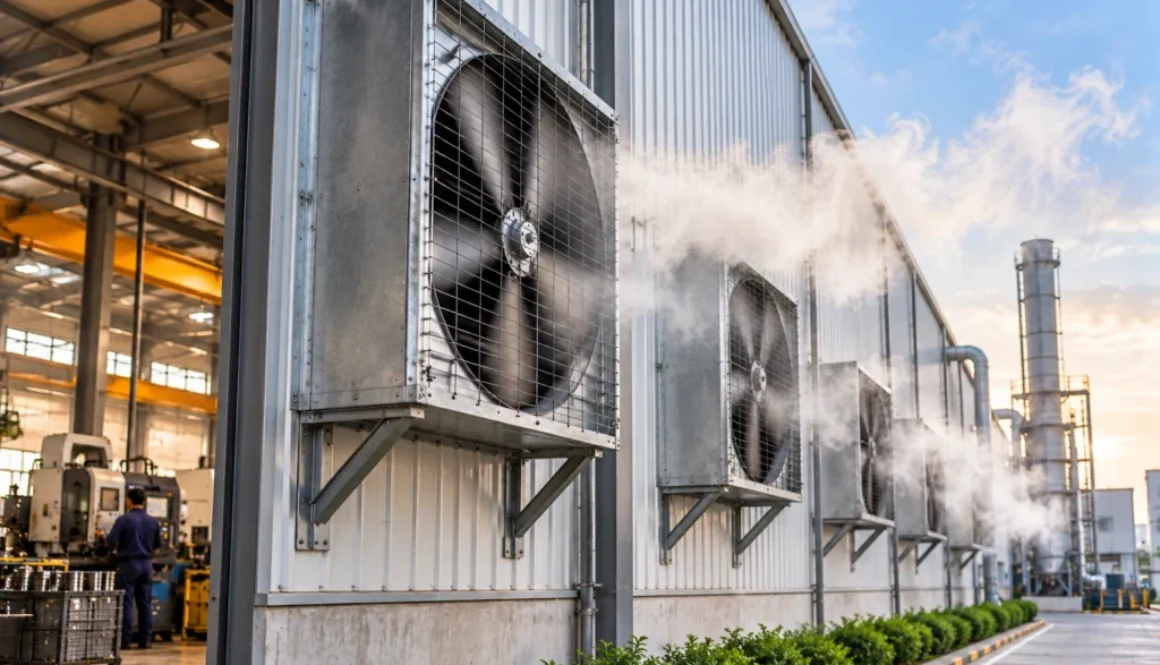
An axial industrial exhaust fan moves air in a straight line through the fan, parallel to the shaft, using blades similar in principle to an aircraft propeller. This design moves large volumes of air efficiently but generates relatively low static pressure, making axial fans well suited to direct wall or roof exhaust applications where air simply needs to move from inside a building to outside, with minimal ductwork resistance in the way. Warehouses, workshops, and general industrial spaces commonly use axial exhaust fans for this reason.
Centrifugal Industrial Exhaust Fans
A centrifugal industrial exhaust fan draws air in through the centre of a rotating impeller and discharges it at a right angle through the fan housing, generating significantly higher static pressure than an axial design. This makes centrifugal fans the right choice when air must travel through long duct runs, filters, or other components that create resistance. Chemical fume extraction systems, dust collection systems, and facilities with extensive ductwork typically rely on centrifugal exhaust fans to overcome this resistance reliably.
Mixed-Flow Industrial Exhaust Fans
A mixed-flow industrial exhaust fan combines characteristics of both axial and centrifugal designs, offering a balance of airflow volume and static pressure that suits applications falling between the two extremes. These fans are increasingly specified in modern facility designs where moderate ductwork exists but very high-pressure generation is not required, giving engineers a more compact solution than a full centrifugal system while still handling more resistance than a purely axial design.
Specialist Industrial Exhaust Fans for Demanding Environments
Some applications require an industrial exhaust fan built for conditions beyond what standard steel or aluminium construction can handle. Corrosion-resistant fans built from fibreglass reinforced plastic serve chemical processing and wastewater environments. Explosion-proof exhaust fans, certified to ATEX or IECEx standards, are required wherever flammable vapours or dust could create a hazardous atmosphere. High-temperature exhaust fans handle applications like kiln or furnace exhaust where standard motor insulation would fail. Identifying whether your facility has any of these special requirements early in the selection process avoids costly redesign later.
Matching Fan Type to Airflow and Pressure Requirements
Choosing the correct industrial exhaust fan type ultimately comes down to two numbers: the required airflow volume and the system’s total static pressure. A facility engineer or a knowledgeable supplier can calculate these figures based on the space volume, heat load, and any ductwork or filtration in the system. Selecting a fan without properly calculating these requirements — or simply choosing whatever type was used previously without checking whether it still fits — is one of the most frequent causes of underperforming ventilation systems.
Motor and Drive Options Across Fan Types
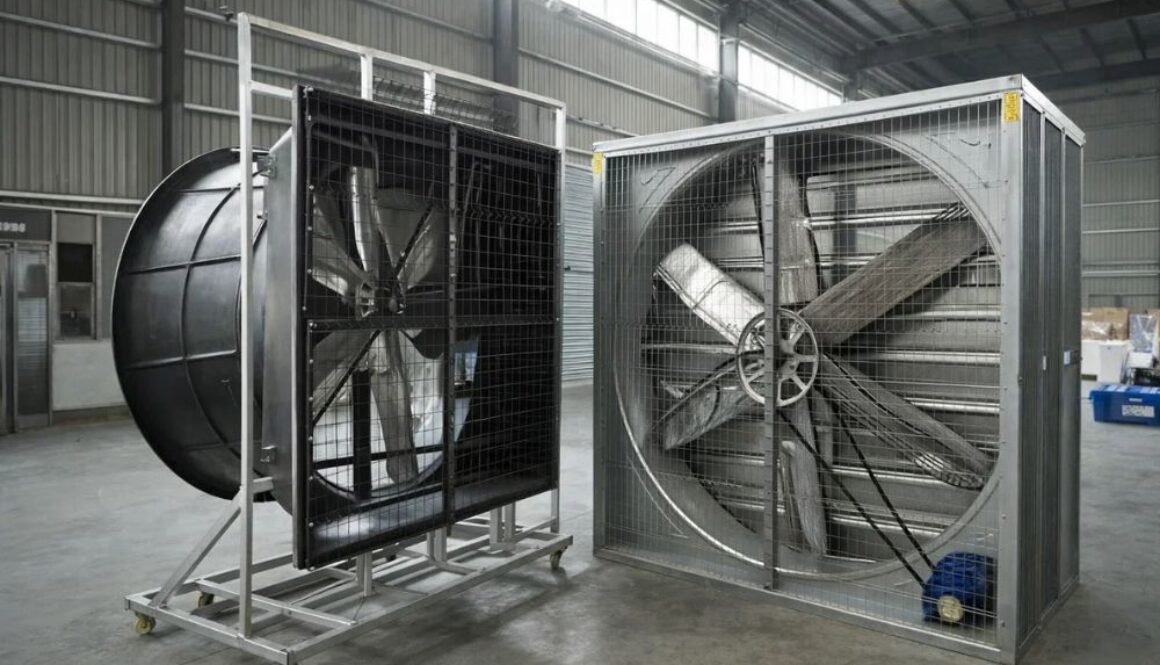
Beyond the aerodynamic design of the fan itself, the motor and drive configuration significantly affects how well any industrial exhaust fan performs over its working life. Direct-drive fans, where the impeller is mounted straight onto the motor shaft, offer simplicity and fewer moving parts to maintain. Belt-driven fans allow the impeller speed to be adjusted independently of motor speed, which can be useful when matching a fan to a specific duty point, but introduce belts as an additional wear item requiring periodic inspection and replacement. Variable frequency drive compatibility is increasingly common across all fan types, allowing airflow to be adjusted to match actual demand rather than running continuously at full speed.
Why Getting the Fan Type Right the First Time Matters
Retrofitting the wrong fan type after installation is a costly exercise, often requiring modified ductwork, new mounting arrangements, and sometimes structural changes to accommodate a different fan geometry. This makes the initial selection stage — where airflow, pressure, and environmental requirements are properly calculated — the most important part of any industrial exhaust fan project. Facilities that invest time in this planning stage consistently avoid the disruption and expense that come from discovering a fan is unsuited to its application only after it has been installed and commissioned.
Related blog – What Features Should You Look for in an Industrial Exhaust Fan?
Presto: Industrial Exhaust Fan Solutions for Every Application
Presto supplies a genuinely broad range of industrial exhaust fan types, including axial, centrifugal, mixed-flow, and specialist corrosion-resistant and explosion-proof designs, for facilities across the UAE. Their team helps customers identify which industrial exhaust fan type best matches their specific airflow, pressure, and environmental requirements.

Conclusion
Understanding the differences between axial, centrifugal, mixed-flow, and specialist industrial exhaust fan types is the first step toward selecting equipment that performs reliably in your specific facility. Rather than defaulting to a familiar option, taking the time to properly calculate airflow and pressure requirements — and to identify any special environmental demands — leads to a far better long-term outcome. Presto continues to support UAE businesses in identifying and supplying the right industrial exhaust fan for their specific application.